

Kassapa Buddha : ค้นหาหนังสือธรรมะ หน้า 27 / 1
หน้าหนังสือทั้งหมด
43
How Monks Free Themselves from Worldly Desire
How do Monks Free themselves from Worldly Desire?
The answer to the above question is: Once ordained as a monk, you must fulfill all required and recommended duties based on tenets clearly specified
Once ordained, monks must engage in specific duties as prescribed by Lord Buddha to free themselves from worldly desires. These duties, categorized into 'Kiccavatta' (mandatory) and 'Vatta' (recommend
46
The Difference Between Monks and Street Beggars
What then is the difference between a monk, and a regular beggar on the street? Monks also depend on alms gathering, and although this same word is used for beggars, the act in itself, is entirely dif
The text discusses the fundamental differences between monks and street beggars. While both seek alms, begging for monks is an act of humility and dignity, whereas for beggars it often signifies despe
47
The Value of Dhamma Learning and Almsgiving
and study the Dhamma to the best of their ability. By passing on
the knowledge monks learn from the teachings of Lord Buddha,
monks are in return offering a gift that is more valuable than
anyth
This text discusses the reciprocal relationship between monks and the community through the exchange of alms and teachings. The author emphasizes the importance of monks learning the Dhamma to offer v
60
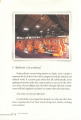
The Benefits of Chanting
The Benefits of Chanting
1. Clarity of mind and mental focus while chanting
2. Promotion of a spirit of unity among those chanting
3. Helping to preserve tradition and to promote community spirit
4. H
Chanting offers numerous benefits including enhancing mental clarity and focus, fostering unity, and preserving the teachings of Lord Buddha. It can improve self-confidence and even aid in speech issu
61
Reflection (Paccavēkkhaṇa)
Reflection (Paccavēkkhaṇa)
Being reflective means being attentive to details. Such a quality is important for all of those who wish to progress in both the physical and spiritual world. If a person g
Reflection is a vital quality for success in physical and spiritual realms. One must be fully engaged in life to thrive. Lord Buddha emphasized the importance of the four basic needs: food, shelter, c
62
Understanding the Four Basic Requisites for Monks
Since we live in the physical world, we tend to think of the four basic requisites only in physical terms, for example food. We often think only whether or not it is clean, tasty, nutritious or health
This text guides monks on how to perceive their basic requisites beyond physical terms like cleanliness and taste. It emphasizes being conscious and grateful, encouraging monks to accept only what the
82
The Benefits of Ordination while still Young
The Benefits of Ordination while still Young
For students who choose to be ordained for just a short period of time, if these students are diligent, then they will receive the following benefits:
1.
This text discusses the benefits of ordination for young students. It emphasizes that ordination allows students to manage their time effectively (Kalannuta), experience inner peace, and gain a deeper
98
International Dhammakaya Centers in Europe and Hong Kong
BELGIUM
International Dhammakaya Genootschap van Belgie
Bisschoppenhoflaan 216/1, 2100 Deurne-Antwerpen, BELGIUM
Tel. (+32-3) 264-577
Fax. (+32-3) 326-4577
E-mail: [email protected]
Website: www.dham
Discover the various Dhammakaya centers established in Europe and Hong Kong. In Belgium, the Dhammakaya Genootschap is located in Deurne-Antwerpen. The UK centers are situated in London and Manchester
43
Goals of Life
Goals of Life
Life goals have three levels: the goal on Earth, the goal in the celestial realm, and the goal beyond (Nirvana).
The goal on Earth is to live happily, enjoy good health, be blessed with
Life goals are categorized into three levels: the earthly goal of happiness, good health, and social acceptance; the celestial realm goal, influenced by religious beliefs in afterlife concepts; and th
6
Revival of Cambodian Buddhism Post-Pol Pot
Digest from speech of Ven. Chuon Bunsim Head Office of Pedadogy of the General Inspection for National Buddhist Education of the Kingdom of Cambodia
The History of Buddhism and the Revival of Cambodi
Buddhism in Cambodia faced severe decline during the Pol Pot regime when monks were forced to abandon their vows and temples were destroyed. After the 1980s, efforts to restore Buddhism began, as the
21
The Legacy of Dhammakaya Temple
The Dhammakaya Temple was formally established on Magha Puja Day, February 20, 1970. It was originally called Buddhajhar Meditation Center. The Main Chapel was completed in 1982. The property was late
The Dhammakaya Temple is a significant Buddhist site established on Magha Puja Day in 1970. Originally called Buddhajhar Meditation Center, it expanded to 1,000 acres and features the Great Dhammakaya
23
Self-Reflection and Dhamma Contemplation for Personal Growth
1. EXAMINE YOURSELF
Before bedtime each night, take a few minutes to meditate upon your day.
Reflect on everything you have done throughout the day, from the time you wake up, to the time you go
In this text, readers are encouraged to engage in nightly self-reflection, evaluating their daily actions to accumulate merit and relinquish negative deeds. The practice emphasizes giving up wrongdoin
53
Embracing Meditation for Perfection
56. TO SUCCESSFULLY
PURSUE PERFECTIONS,
ONE NEED TO EMBRACE MEDITATION
We were born to pursue virtues. Strive to perform good deeds. If you wish to successfully pursue Perfections, you need to “attac
In the pursuit of Perfections, one must focus on mental development rather than attachment to people. Meditation serves as a vital practice to overcome false views and achieve personal merit. As exper
58
Power Through Merit
66. POWER THROUGH MERIT
Whatever we set out to accomplish in life, we must examine our personal
condition as well as the condition of our merit—the “spiritual capital” that we
have built. We should at
In life, it is essential to assess both our personal condition and the merit we have accumulated. Striving for greatness should be rooted in good actions rather than desires driven by greed, anger, or
125
Understanding Key Buddhist Concepts
"Fools" (palay): spiritually defective people. A fool is someone wicked, weak, or feeble in a moral sense. His discretion is faulty, not knowing right from wrong, good from bad. A fool is one who give
This content delves into various Buddhist concepts such as 'fools'—spiritually defective individuals whose actions reflect moral weakness. It explains that heaven in Buddhism comprises six levels prov
126
Understanding Nibbana and Key Buddhist Concepts
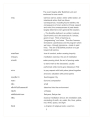
Nibbana (Skt. Nirvana): the state of ultimate happiness, the happy condition of enlightenment, the highest spiritual attainment. This is not the sense-based happiness of the everyday livid; nor is it
Nibbana, or Nirvana, represents the ultimate happiness in Buddhism, transcending ordinary joy and marking the end of the rebirth cycle. It's a state of perfect enlightenment that goes beyond language,
5
Understanding Kamma and Buddhist Practices
The event begins after Buddhist Lent and continues for one month.
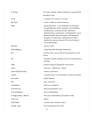
กรรม kamma; karma; action; deed; willed action; an intentional action that has future consequences, including future reboots; th
This text delves into the fundamental concept of kamma (karma) in Buddhism, emphasizing that every intentional action we perform leads to future consequences. The Buddha defines kamma as volition (cet
13
บทความเกี่ยวกับแนวคิดและคำศัพท์ทางพระพุทธศาสนา
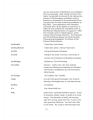
จําพรรษา the rains-retreat; Vassa-residence; keeping the Buddhist Lent
จําวัด to sleep (of a monk or novice)
จิต, จิตต์ mind; a state of consciousness
จิตตะ (citta) Attention – (ref. Idhipadha 4
เนื้อหาเกี่ยวกับคำศัพท์สำคัญในพระพุทธศาสนาเช่น จําพรรษา, จิต, และเจตนา โดยมีการอธิบายความหมายของคำแต่ละคำในบริบทของการศึกษาพุทธธรรม รวมถึงแนวคิดเกี่ยวกับความตั้งใจและการทำจิตให้สงบ ช่วยเสริมสร้างความเ
37
รหัสพระรัตนตรัย
รหัสพระรัตนตรัย
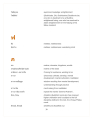
Triple Gem (not Gems)
พระรัตนตรัยในตัว
Triple Gem within; internal Triple Gem
พระวนาย
(Vinaya) Monastic Discipline
พระสงฆ์
Sangha, the Order of monks; community of monks; the brotherh
เนื้อหาเกี่ยวกับพระรัตนตรัยซึ่งประกอบไปด้วยพระพุทธ พระธรรม และพระสงฆ์ รวมถึงการอธิบายความหมายและบทบาทขององค์ประกอบสำคัญในพระพุทธศาสนา เช่น พระอรหันต์และพระไตรปิฎก โดยเน้นการศึกษาภายในและการเข้าใจในธรร
39
โพธิสัตว์และการพัฒนาใจ
โพธิญาน
โพธิสัตว์ (Bodhisatta, Skt, Bodhisattva) Buddha-to-be; one who is destined to be a Buddha; enlightened being; one who has resolved to attain enlightenment for the helping of his fellow mankind
บทความนี้สำรวจแนวคิดเกี่ยวกับโพธิสัตว์ ซึ่งเป็นผู้ที่จะกลายเป็นพระพุทธเจ้า โดยมุ่งหวังเพื่อที่จะช่วยเหลือมนุษย์ โดยมีแนวทางในการพัฒนาใจและการปฏิบัติธรรมเพื่อบรรลุความรู้แจ้งและการทำสมาธิเพื่อแก้ไขความ